
There are archetypal artifacts of deep evolutionary developed psychologically stages which are common collectively in all humans, which were first explicitly expressed in their symbolic forms in ancient stories, mythology, and religions. These archetypes have been transmitted genetically, and it wasn’t till recently that they have been analyzed and understood in their true nature in influencing the human psyche through advent of depth psychology and the findings of Carl Jung in analytical psychology. What you find is not only a symbolic representation of the developmental stages of consciousness, as described by Neumann, but basic understandings ingrained into all of us that operate on a level at the bottom of the unconsciousness, as pointed by Jung, which enable us to operate effectively in the world, and which work also as an a priori structure in which our values can be derived from.
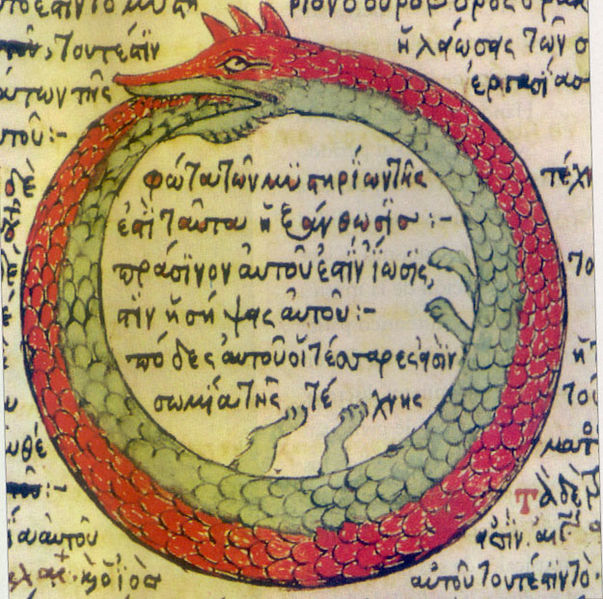
These archetypes are not socially or culturally constructed, but biologically significant to us as their impact on survival and the evolution of our species made them useful. In the development of consciousness, as pointed out by Neumann, the original archetype represented as the Uroboros is the first stage in the human psyche. The Uroboros is the dragon eating its tail, the ring, never ending, without beginning. In this first stage of life or in conscious development, both historically and individually, the individual is not an individual and is effectively submerged in the unconscious, only affected by external findings. This state is common among primitive humans as well as modern human infants, and is characterized by the inability to distinguish opposites, or identify phenomena. It is the unity, or lack of distinctness, between inner and outer, self and other, or good and evil, which we see to be present in our pre-consciousness states. The individual is effectively cared for by parents (mother) and has no worries of his own, and this symbol is represented as the original state of the universe, as Paradise, before knowledge of good and evil in Abrahamic religions, is found in old creation myths of heaven and earth combined, before there was light or dark, eternal. The Uroboros, a symbolic representation of this original stage of consciousness, is found all over the world and has manifested in various societies, such as the yin yang, or combination of chaos and order, before consciousness emerges.
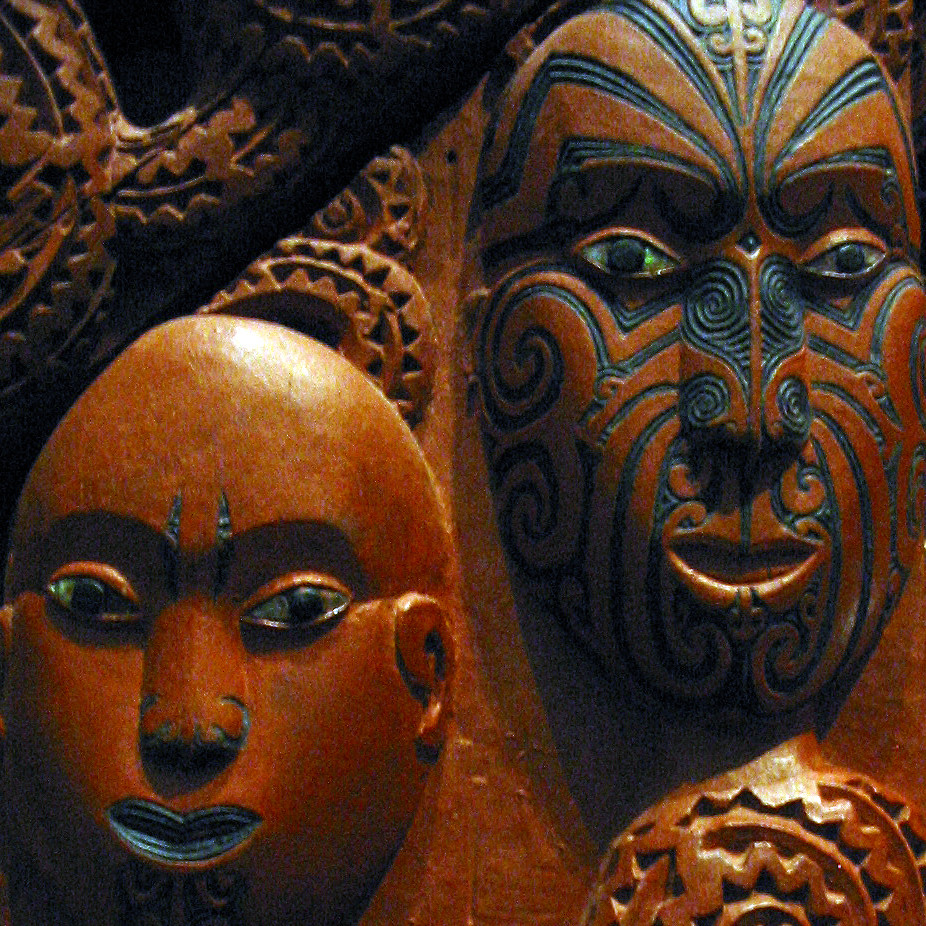
This leads into the development of the ego in Jungian terms, and the separation from the world parents. In this stage towards the individuation of consciousness, a shift takes place in development in which consciousness becomes separated from unconscious, and recognition of the differentiation of content and phenomena becomes apparent. This is the archetype of separation of world parents. This is the differentiation caused by God creating a separate heaven and hell, separating chaos and order, and in individual experience, the manifestation of a conscious for whom which his individuality becomes known, internal states become distinct from external phenomena, in general, identification of separateness is instantiated. It is in this stage of separation that the identification of opposites becomes apparent to the individual, and his state as being altogether a separate entity from other individuals also emerges. It is the revelation of man’s nakedness after eating the fruit of the tree of knowledge. In archetypal stories, this is depicted as an individual’s reluctance to rely on parental guidance, and an encountering of the world for himself through the abandonment, it is the independence gained through accepting responsibility for one’s own Being, rather than being dependent on parental guidance.
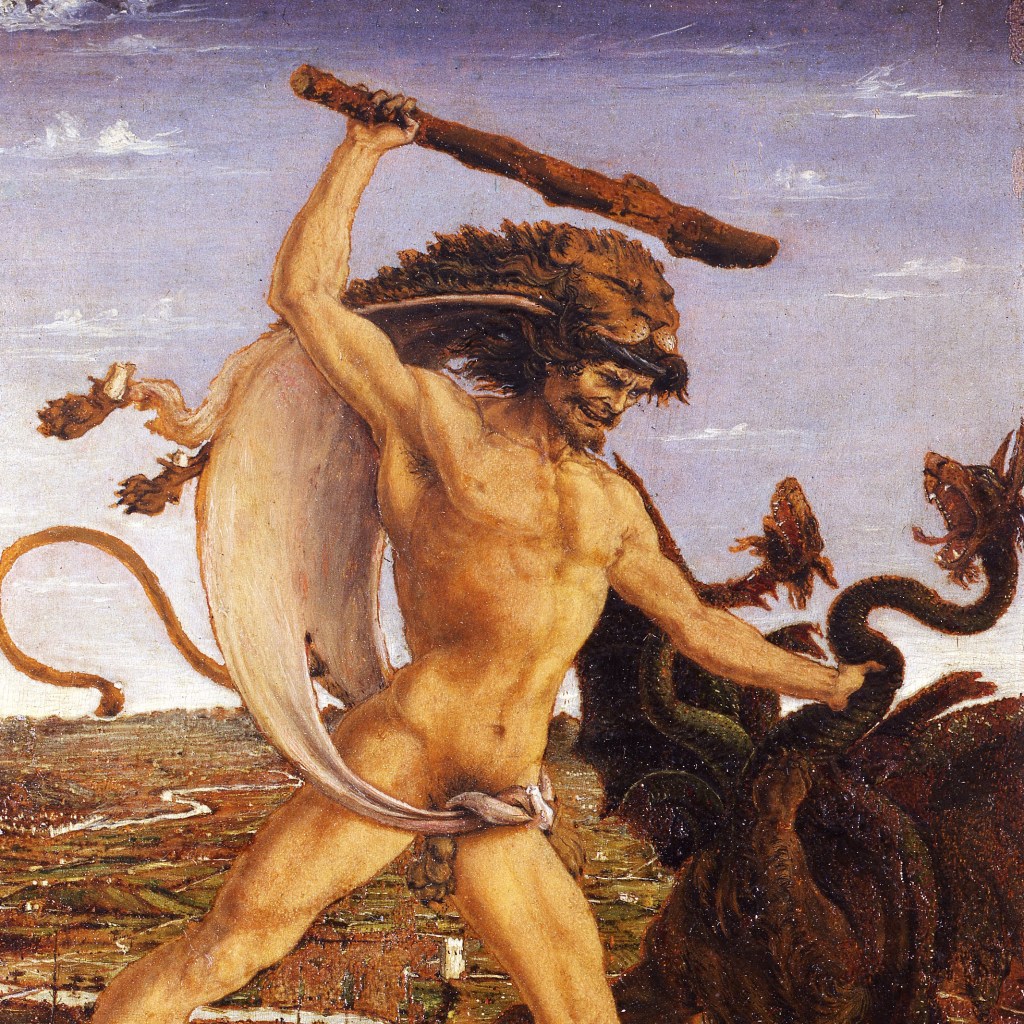
After the separation from the world parents, the individual must go out forth to the world, and, in mythological stories, this is represented by the individual voluntarily undergoing a journey towards some daunting challenge, the acquisition or success in which appears to yield great value. The hero’s journey is marked by trials and tribulations which test him as an individual, entailing pitfalls, re-calibration, and eventual victory over minor challenges that lay on the path towards his goal. In the final test, the individual encounters the dragon, the manifestation of extreme chaos, in which the individual must kill in order to retrieve the value in which he set out to acquire. The value is a boon, a treasure, the fountain of youth, wisdom, it is that which is most valuable. In attaining the value after discovering the antidote to chaos, in relinquishing its protector, the hero brings the valuable treasure back to the people he had separated from, and provides them with the value he had acquired in his journey. The hero grows through the process, and in achieving the final step in providing value to the people, he not only hits the mark in terms of the aim in which he set out to achieve, but he grows through the journey in becoming the type of person that can order chaos, he becomes the hero through the hero’s journey.
In psychological terms, or insofar as individual consciousness, and the historical development of consciousness is concerned, the hero’s journey represents exactly what we too must go through to achieve an integrated psyche in the process of individualization. We must relinquish dependence upon our parents, set an aim, a goal, a place we have the potential of being, and through diligent striving and overcoming of challenges and tribulations, actualize that potential, and become the person we had the potential of being. For us to successfully do this, like the archetypal hero’s journey, we too must voluntary accept the responsibility of attempting to do what is meaningful in our lives. In striving to accomplish the meaningful end, we necessarily will fail, must recalibrate, and must strive on diligently. In the final scene, we must ultimately organize the psyches range of potentialities into a unified whole through exploration and integration, we must set our lives in order, our lives being that of chaotic nature, and conscious intentionality being the means by which we can order both ourselves, psychologically, and the world in which we inhabit.
By ordering the chaos in our psyches, and our lives, we become individualized. In striving towards the aim of actualizing the potential we inherently possess we grow in the process, and in pursuing what is meaningful we, if successful, create or uncover a novel, unique, new, phenomena, which is meaningful to us and our fellow man. This boon we create, uncover, or discover, the treasure of our efforts, the fruit of our labor, the resultant knowledge and wisdom we have gained in our journey, we must, in order to complete the journey, provide what is found to meaningful to our society, to our fellow man. In so doing so, we fulfill the hero’s journey, and become fully individualized as a Being who has integrated his psyche, overcome difficulty, uncovered what is meaningful and valuable, and provided the people with a lasting benefit that is beneficial and useful.
The hero archetype is ingrained in us, and found in stories across the world, from the dawn of civilization, and has this same plot. It is the plot of the original hunter who could venture out from his tribe, slay the animal, bring back food to the people. This for him is liberating, is useful, helpful, and to the people in which he proved for, he is hailed as the original hero, for he provides life, the means to continue living, the means to which they too can actualize their potential. In return the hero is worshiped as ultimately good, good for survival, reproduction, and the continuance of the species, but he is not interpreted as such, rather, he is immortalized through the stories in which follow after him. The hero is the one who can conquer what is difficult and return to the people with value. Thus we value individuals and those pursuits that merit this type of accomplishment, those who discover new insights in things which prove useful to all, is rightfully seen as a hero. We value and strive to be like the hero. This is an archetype everyone understands automatically. You watch a movie and you know who is the good guy and bad guy. These are not arbitrarily socio-culturally developed, they are ingrained in us, for a good reason, and in understanding them we can better understand ourselves, reality, the truth, how to progress, and become the hero of our own journey.
The archetypes can be interpreted as effecting the emergence of consciousness across the domain of human history, in the developing of it to its current peak. They can also be used to describe the process by which, in our individual lives, our own consciousness develops. Lastly, in our present moment experience, they can be seen in the manifestation of personal and interpersonal relations through their emergent manifestations, and be perceived and interpreted in giving a descriptive analysis of the current factors at play in the emergence of actions.
 Seek Truth
Pingback: Value System Instantiation, Meaning Pursuance, and Progress through Overcoming Difficulty – Seek Truth